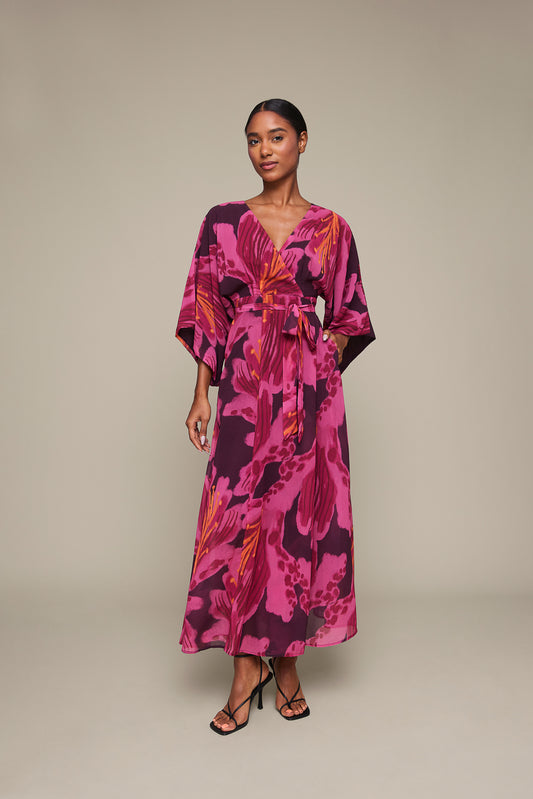
Mel is an editorial director at Food & Wine, where she oversees the brand's special projects and franchises, including Global Tastemakers, which spotlights the best in culinary travel, Best New Chefs, and special digital editions. She was the magazine’s deputy editor from 2018 until her role expanded in 2024, spearheading travel and home coverage, and developing recipes close to her heart (crumpets, anyone?). Working variously as a food writer, magazine and cookbook editor, restaurant critic, and radio presenter throughout her career, Mel spent her formative years at one of Australia's most loved food brands, Donna Hay magazine, and has also co-owned two restaurants.
-

What’s a day in the life like as an editorial director at Food & Wine?
The nature of magazine publishing has changed so much since I started out as a junior editor 25 years ago that no two days look the same. The work used to be cyclical on a monthly magazine: plan, assign, write, edit, proofread, ship, rinse and repeat. Now, the magazine is just a small part of what I work on as our director of special projects. Food & Wine is an all-encompassing brand that includes not just stories and recipes across multiple platforms, but live events, award programs, special digital issues, licensing, and more. I might spend a morning in meetings planning topics and talent for cooking demos and wine seminars for our flagship event of the year, the Food & Wine Classic in Aspen, edit a story that I commissioned for the travel section before lunch, and in the afternoon hammer out a proposed content plan and a mood board for how we might execute the story-telling around our annual Global Tastemakers Awards, which celebrates the best in culinary travel. There’s a lot of switching gears and changing hats, while also keeping things running on time, and serving multiple stakeholders at once. The biggest constant in publishing is change, which is what I love about this industry.
-

What do you wish more people understood about food media?
I think there’s a perception that food media is glamorous and that we just go out and eat at all the fancy, new restaurants all the time and write about it. A small portion of it (pun intended) can be that and we certainly are afforded incredible opportunities, but what people may not realize is how unsustainable and unhealthy a life like that really is. (And I know I sound like a spoiled asshole for saying it!) Working in a test kitchen around food every day, or eating out four or five nights of the week, or tasting and writing about wine for a living requires discipline and balance and awareness so you don’t end up drunk, bloated with indigestion, or with high cholesterol or gout! Our mission is to help our readers eat, drink, and travel better and more deliciously without feeling sick while we’re doing it. At any given time, there is a recipe developer sweating over their third test of a cake to make sure a home cook can nail the recipe at home, a restaurant editor who really doesn't want to eat two dinners in one night but will do so to make budget and a deadline, and a wine writer with acid reflux at their third tasting for the week. (And yes, they’re spitting.)
-

What’s a recipe or feature you’re especially proud of editing this year?
On the content side, I’ve been very lucky to work across a diverse mix of special projects and one of my favorites was a mini print magazine and a digital issue celebrating Canadian foodways and flavors. I collaborated with Top Chef judge Gail Simmonds to curate a special digital issue, At Canada’s Table, that looks at the chefs, restaurants, tastemakers, and innovators shaping Canadian food and drink today. We enlisted a small, talented army of Canadian food writers and journalists to bring it to life, and Gail even lugged a giant bag of Canadian candy to the office “for research”, naturally. However, one of my favorite projects is one that doesn't involve recipes or stories at all. For the past six years, I have helped spearhead our Best New Chef Mentorship Program, which aims to empower the next generation of chefs in the kitchen to lead with grace and integrity and navigate their newfound publicity in a way that benefits their careers and their teams. We address topics pertinent to the industry, from self-care and work-life balance to scaling a business, branding, leadership, and cultivating a positive kitchen culture. Often it’s the quiet, behind-the-scenes work that is the most meaningful of all.
-

What’s your favorite way to mix your Australian roots with your New York life?
Unsurprisingly, through food and hospitality. Like every Australian expat in NYC, I have a consistent source of Vegemite and Tim Tams that I’m always pushing on my friends and colleagues. (Wegmans sells them both in the “British” aisle). I make a pavlova or a trifle for any dinner I’m hosting or invited to, and in the summer it will be drizzled with canned passionfruit that I’ve brought back in my suitcase from Sydney. I refuse to drink drip coffee when I can find an Aussie wielding a La Marzocco espresso machine to make a flat white at a local cafe. And if I’m feeling really homesick, there’s nothing quite like listening to the steady stream of Aussie voices at Old Mates in the Seaport. It’s the only legit Aussie pub I’ve come across in my 11 years in the U.S. that is run and staffed by Aussies, and frequented by Aussies. In addition to meat pies and sausage rolls, they serve nostalgic pub food like potato wedges with sour cream and sweet chili sauce, a roast on Sundays, beetroot and pineapple on their burgers (trust me, it’s life-changing), and a chicken parmy.


-

What’s one ingredient you wish people would stop being scared of?
Anchovies, usually with anything spicy. I love small, salty fish. I love them on chewy sourdough with lots of good butter, on a pizza, in a Caesar salad, in a dressing, and melted and toasted with garlic, chili flakes, and breadcrumbs to shower over pasta. They’re a little boost of salt and umami in sauce, gravy, or a stew without you even realizing they are there. Trust me: embrace the anchovy.

-

What’s the bravest decision you made this year?
I faced the sudden and devastating breakdown of my 13-year marriage this year, and the bravest choice I made was to allow myself to be vulnerable, to ask for help, and not to let the grief and loss define me. Those who are closest to me know me as strong, tough, and resilient – you had to be, running a restaurant through the pandemic – but that version of me was exhausted. I found strength in vulnerability instead. And once I got through the worst of it, I decided to focus on all the things that I am gaining, and not just on what I have lost. We can choose how we react even in circumstances thrust upon us. I choose growth every day even though it’s not linear and I still fall over. That decision led to so many acts of kindness especially from the women around me – friends and strangers alike. The universe caught me and I am so grateful.
-

What feels like your guiding theme for 2026?
2026 is my “year of yes.” Shonda Rhimes coined that term a decade ago in a book detailing her transformative year of saying “yes” to things that scared her. I’m doing it to embrace creative risk and opportunity in a way that I haven’t been able to for a long time. For the last eight years, I have been a small business owner, co-owning two restaurants, while also holding down a senior leadership role at Food & Wine. It allowed little time for personal development and I very much fell into the habit of saying no to many things. I’m currently navigating a huge life transition that opens up the time and opportunity for me to say yes to more things that enrich me.